

Does Hypnotherapy Work for Anxiety? What the Research Says and What to Realistically Expect
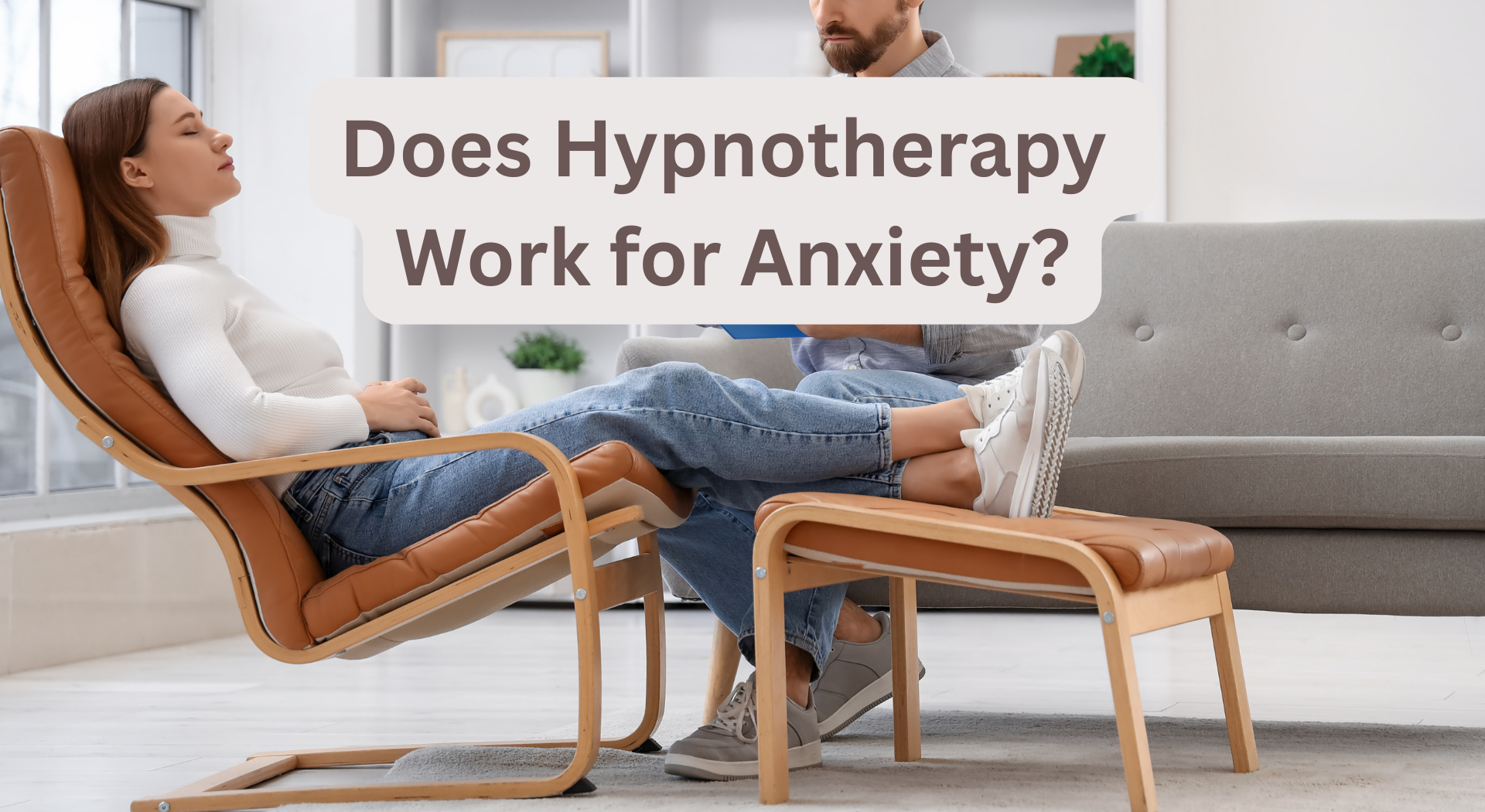
If you have been struggling with anxiety and wondering whether hypnotherapy is actually worth trying, you are not alone. It is one of the most common questions I get asked before a first session. And it is a fair question. There is a lot of information out there about hypnotherapy, some of it helpful and some of it not, and it can be hard to know what to believe.
So here is an honest, straightforward answer based on both the research and what I see working with anxiety clients every week in Sydney.
What Does the Research Say?
The research on hypnotherapy for anxiety is genuinely encouraging. A growing body of evidence supports the use of clinical hypnosis as an effective intervention for anxiety and related conditions.
A 2016 Stanford University study published in Cerebral Cortex used fMRI brain imaging to show that during hypnosis, showed reduced activity in the dorsal anterior cingulate cortex, the part of the brain responsible for worrying about what could go wrong. In plain terms, hypnosis appears to quieten the part of the brain that keeps anxiety running.
A 2021 study published in Scientific Reports,part of the Nature group of journals, found that higher hypnotisability was associated with reduced perseveration, meaning less tendency to get stuck in repetitive worry loops. This is directly relevant to anxiety, where the mind tends to cycle through the same fears repeatedly.
A 2016 meta-analysis published in the International Journal of Clinical and Experimental Hypnosis found that hypnotherapy produced significant reductions in anxiety across multiple studies, with effects comparable to other established treatments like CBT.
A 2019 meta-analysis published in the International Journal of Clinical and Experimental Hypnosis found that hypnosis was more effective in reducing anxiety when combined with other psychological interventions than when used as a stand-alone treatment. The average participant receiving hypnosis reduced anxiety more than 79% of control participants, with even stronger results at follow-up. This is exactly the model used at My Bondi Hypnotherapist, where Clinical Hypnosis is integrated with Strategic Psychotherapy rather than used in isolation.
The American Psychological Association recognises hypnosis as a legitimate therapeutic tool and notes its effectiveness for anxiety, phobias, and stress related conditions.
How Does Hypnotherapy Actually Help Anxiety?
Understanding why hypnotherapy helps anxiety requires understanding what anxiety actually is.
Anxiety is not primarily a thinking problem. It is an automatic nervous system response. Your body has learned to treat certain situations, thoughts, or sensations as threats, and it responds accordingly with racing heart, shallow breathing, tight chest, and a mind that will not switch off.
This is why telling yourself to calm down rarely works. The anxiety is not living in your rational mind. It is locked into your automatic nervous system, running below the level of conscious thought.
Hypnotherapy works by accessing that automatic level directly. In a relaxed, focused state of hypnosis the mind becomes more receptive to new information and new patterns of response. We can update the learned associations that are driving the anxiety, rehearse calmer responses to triggers, and give the nervous system new examples of what safety feels like.
This is fundamentally different from talk therapy, which primarily works at the conscious level. It is also why hypnotherapy can produce faster results for anxiety than approaches that rely on insight and understanding alone.
Does Hypnotherapy Work for Different Types of Anxiety?
Yes. Hypnotherapy is effective across a range of anxiety presentations, not just generalised worry. Here is how it applies to some of the most common types:
Generalised anxiety disorder responds well to hypnotherapy because the approach addresses the underlying nervous system pattern that keeps the alarm switched on, rather than just managing symptoms.
Panic attacksrespond particularly well because hypnotherapy can target both the trigger patterns that set off panic and the fear of panic returning, which is often what keeps the cycle going.
Social anxiety and performance anxiety respond well because hypnotherapy allows us to rehearse calm, confident responses to social situations at the unconscious level, building new associations between social settings and safety rather than threat.
Public speaking anxietyis one of the most common presentations I see and one where hypnotherapy produces very fast results. Most clients notice a significant shift within two to three sessions.
Health anxiety and specific phobias like fear of flying, fear of needles and fear of drivingalso respond very well, often in fewer sessions than more generalised anxiety.
What Happens in a Hypnotherapy Session for Anxiety?
Many people are curious about what a session actually involves before they commit to trying it. Here is what to expect.
Your first session runs for 90 minutes and begins with a conversation about how your anxiety shows up, what triggers it, and what you want to feel instead. We map the specific patterns and responses that are maintaining the anxiety and agree on clear goals for the work ahead.
From there sessions include around 20 minutes of guided Clinical Hypnosis alongside practical Strategic Psychotherapy tools. In the hypnosis component you are guided into a calm, focused state where your mind is more receptive to new patterns and responses. You remain aware and in control throughout and can stop at any time.
You leave each session with a hypnosis recording to listen to between appointments and simple practical strategies to apply in daily life. The between session work is an important part of the process and most of the change happens in the days between sessions rather than only in the room.
Sessions after the first run for 60 minutes and build progressively on what was established in the previous session.
What Results Can You Realistically Expect?
This is where I want to be honest with you, because I think some hypnotherapists overpromise and that does not serve anyone well. Hypnotherapy is not a magic switch. It works, but it works best when you engage with the process, complete the between session strategies, and give it enough time to build new patterns.
Here is what most of my anxiety clients experience:
After the first session most people feel noticeably calmer and have a clearer understanding of how their anxiety is being maintained. Many report sleeping better in the days after their first appointment.
After two to three sessions most people notice a meaningful reduction in the frequency and intensity of anxiety episodes. The nervous system is starting to learn new responses.
After four to six sessions most people have built a solid toolkit of practical strategies, experienced significant reduction in anxiety symptoms, and feel genuinely more in control of their responses.
Some people need more sessions than this, particularly if anxiety has been present for many years or is linked to complex life experiences. And some people see faster results than this, particularly when the anxiety is specific and recent.
How Is This Different From Other Anxiety Treatments?
There are several effective treatments for anxiety available in Australia including CBT, ACT, medication, and mindfulness based approaches. Hypnotherapy is not a replacement for any of these and it can work alongside all of them.
What makes hypnotherapy different is where it works. Most talk based therapies work primarily at the conscious level, helping you understand and manage your anxiety. Hypnotherapy works at both the conscious and unconscious level, which means it can address the automatic patterns driving anxiety in a way that conscious strategies alone cannot always reach.
At My Bondi Hypnotherapist I combine Clinical Hypnosis with Strategic Psychotherapy, which adds a structured, goal oriented framework to the work. This means sessions are not just about relaxation. We are actively mapping how your anxiety works, what is maintaining it, and building specific skills and responses to change it. Most clients find this combination produces faster and more lasting results than either approach on its own.
Who Does Hypnotherapy Work Best For?
Hypnotherapy for anxiety tends to work best for people who:
are motivated and genuinely ready to make a change
are willing to complete between session tasks and listen to recordings
have a specific anxiety pattern they want to address
are broadly functioning but stuck and want to feel more in control
have tried other approaches and not got the results they wanted
It tends to be less suitable for people with severe or complex mental health conditions, active psychosis, or those who are not yet ready to engage with the process. If you are in crisis or experiencing severe depression alongside your anxiety, your first step should be your GP or a clinical referral.
Frequently Asked Questions
How many sessions of hypnotherapy do I need for anxiety? Most clients see meaningful improvement within four to six sessions when they engage with the process and follow through on between session strategies. Some specific anxiety patterns resolve faster than this. Your plan is tailored to you and reviewed regularly throughout.
Is hypnotherapy safe for anxiety? Yes. Clinical hypnotherapy is a safe, gentle, and evidence-informed approach to anxiety. You remain aware and in control throughout every session. It is not the same as stage hypnosis and you cannot be made to do or say anything against your will.
Can I use hypnotherapy for anxiety alongside medication? Yes. Hypnotherapy can be used safely alongside medication for anxiety. It is not a replacement for medical care but works well as a complementary approach. Always let your GP know you are pursuing additional support.
Can I do hypnotherapy for anxiety online? Yes. Online hypnotherapy sessions via Zoom are just as effective as in person sessions for anxiety. Many clients actually find it easier to relax and engage with the process from the comfort of their own home. Sessions are available online to clients anywhere in Australia.
Does hypnotherapy work for anxiety in Australia? Yes. And the evidence supports it. But the most important factor in whether it will work for you is not the technique. It is the fit between you, your therapist, and your readiness to engage with the process.
If you are curious about whether hypnotherapy is the right approach for your anxiety, the best starting point is a free twenty minute discovery call. We can talk through what you are experiencing, how hypnotherapy would address it, and whether it feels like the right fit. If it is not, I will tell you that too.
Ready to Find Out If Hypnotherapy Can Help Your Anxiety?